
Dairy Processing
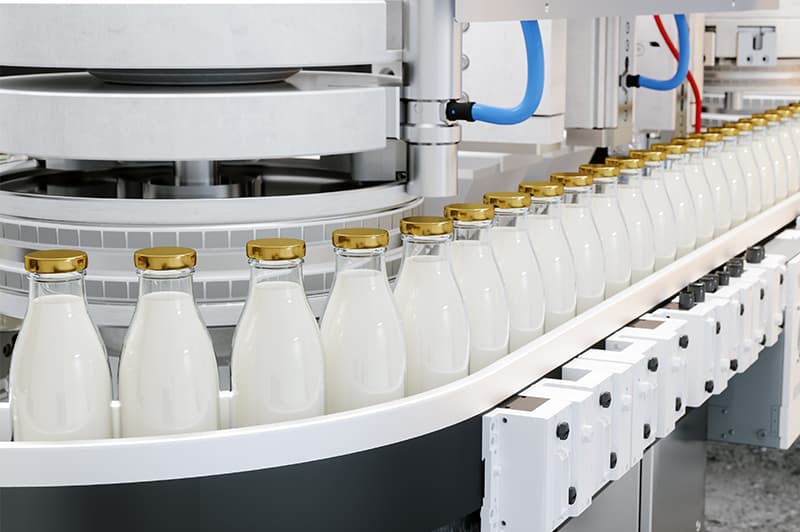
Process Challenges: Dairy products are full of fat and protein. When the temperature changes or fluid slows down, milk residue easily sticks to tube walls and creases, creating a breeding ground for bacteria. Because of this, dairy plants have the absolute strictest rules for CIP (Clean-in-Place) and SIP (Sterilization-in-Place).
Our Top Product Picks
To prevent leaks and bacteria, most SANFIT fittings are ready for Orbital Welding. This ensures perfectly smooth welds with no tiny gaps.
Perfect for switching, diverting, and moving milk smoothly across multiple process lines.
Highly resistant to milk fat and high-heat sterilization. They won't lose their shape over time.
Pros & Cons for Your Process
Pros: All SANFIT weld fittings feature a super-smooth inner surface (according to 3-A rules). Once welded, the tubes become one continuous, seamless tube. No gaps, no dead zones, and bacteria have nowhere to hide. It makes CIP flushing incredibly effective.
Cons: Welded tubes cost more to install at the start and require professional welders. Also, once welded, it is hard to change the tube layout later (that is why we recommend using Tri-Clamp joints at spots you need to open often).
Pros: One valve can manage multiple tube directions at once. The mix-proof design keeps your cleaning chemicals and fresh milk completely separate.
Cons: They have a more complex internal structure than regular valves, so the upfront and maintenance costs are higher.

